
Define the record’s purpose before capture
Digitizing paper records can reduce clutter and make routine work easier, but scanning is not a neutral act. It creates copies that can travel, be duplicated, and remain available long after the original purpose is forgotten. Start by deciding what each record is for, who genuinely needs it, and how long it should remain accessible. That framing keeps a digitization project from turning into indiscriminate accumulation under the banner of convenience.
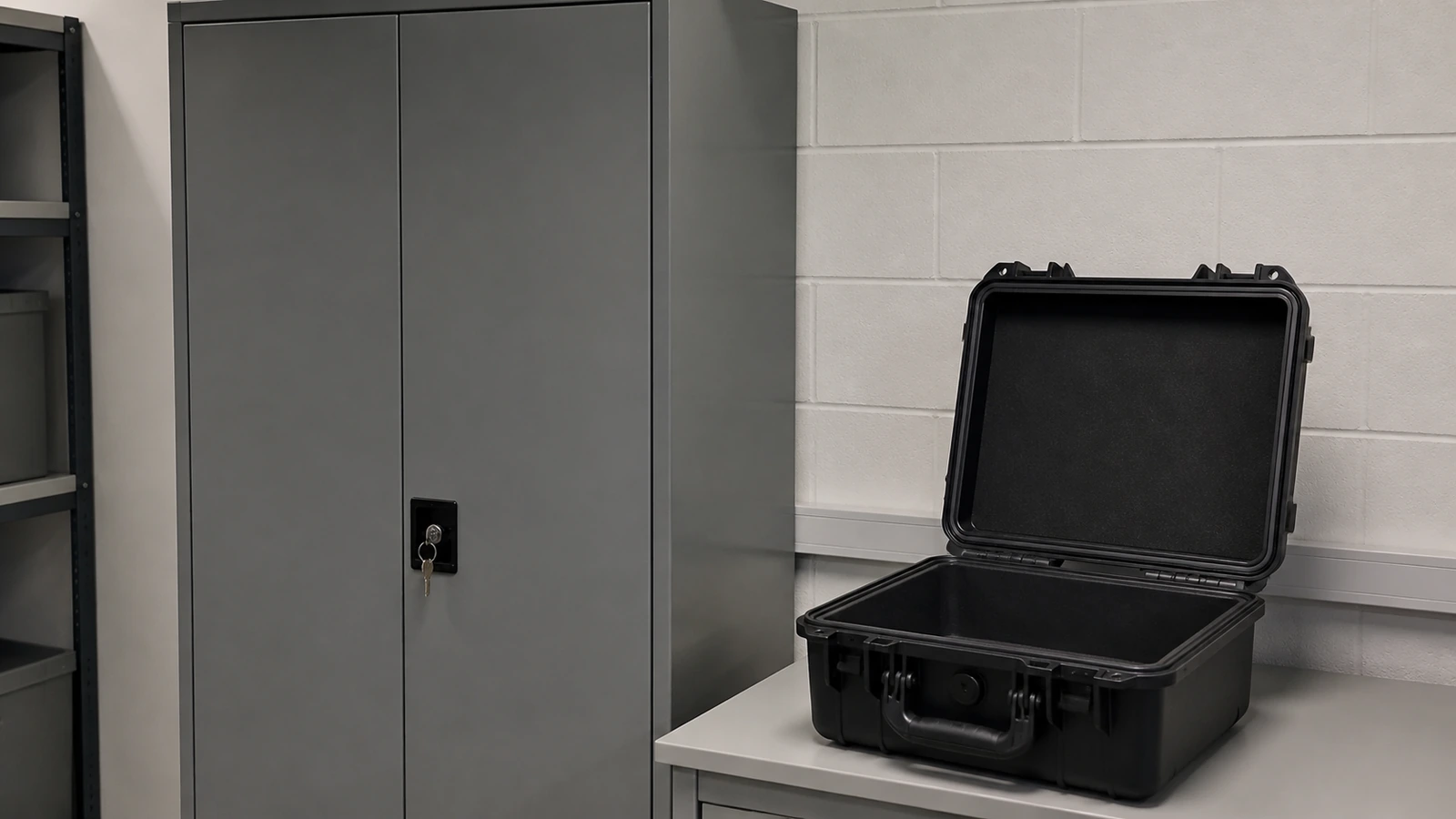
Create a controlled intake area
A controlled intake area gives the process a beginning and an owner. Paper items should arrive in a defined place, be grouped by a clear handling rule, and move through capture without being left on shared surfaces. The point is not theatrical security. It is to prevent an item from losing its context or being casually handled by someone with no reason to see it. A simple intake log can record arrival, status, and the person responsible for the next step.
Separate capture from access decisions
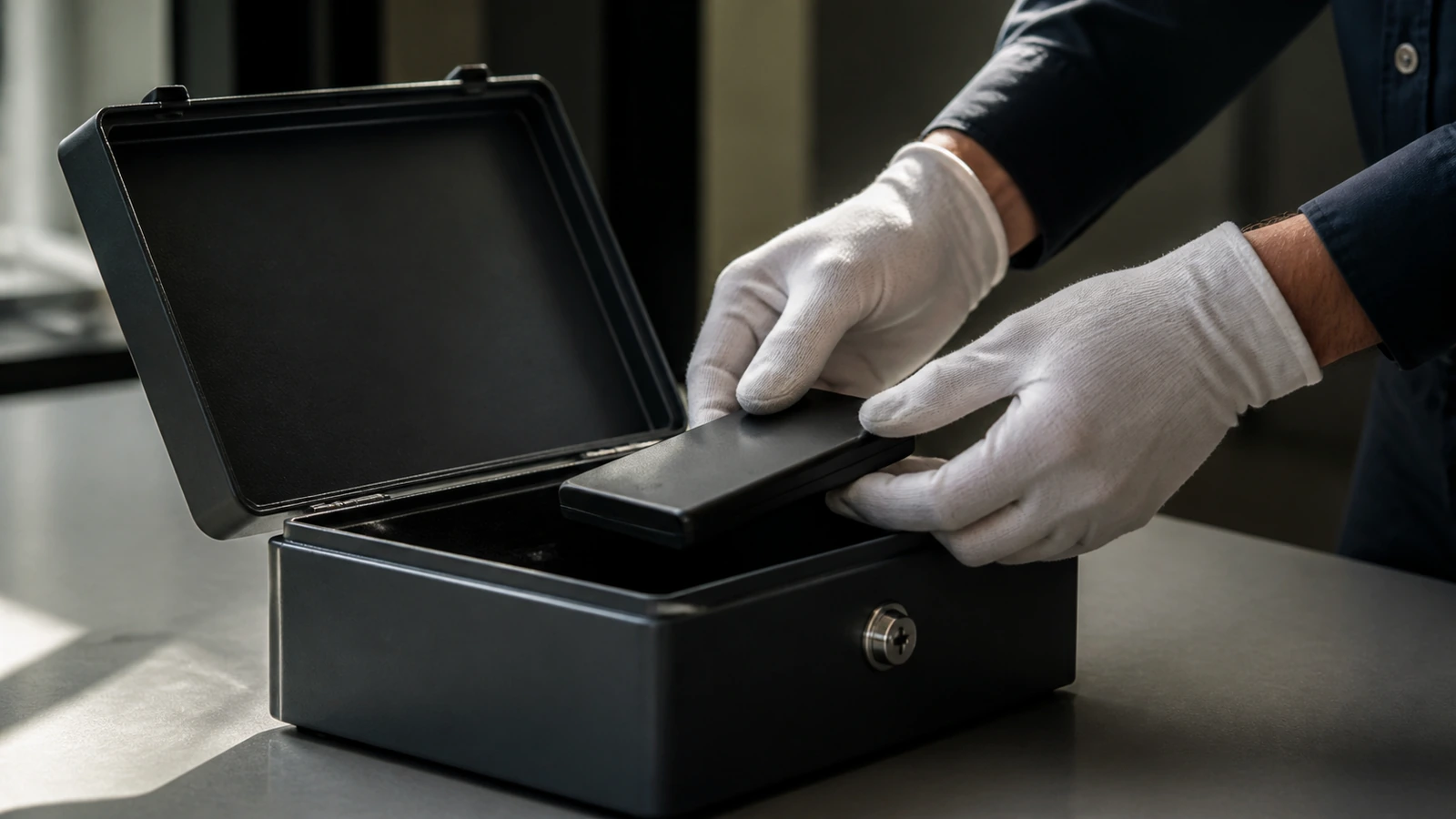
Capture and access are separate decisions. A person may be trusted to operate equipment without being entitled to browse finished files, and a person who needs a final record may not need access to every raw image. Restricting each role reduces accidental exposure and makes the workflow easier to review. It also limits the damage if a storage location is misconfigured or a temporary workspace is left open longer than intended.
Preserve context without copying everything
Context matters because a file without a reliable origin can be hard to use later. Retain the information necessary to understand what the record is, where it came from, and whether the capture is complete. Avoid adding commentary or speculative labels that could be mistaken for part of the original record. The discipline resembles private web research: separate observed material from notes about how it was found.
Verify files before changing the paper trail
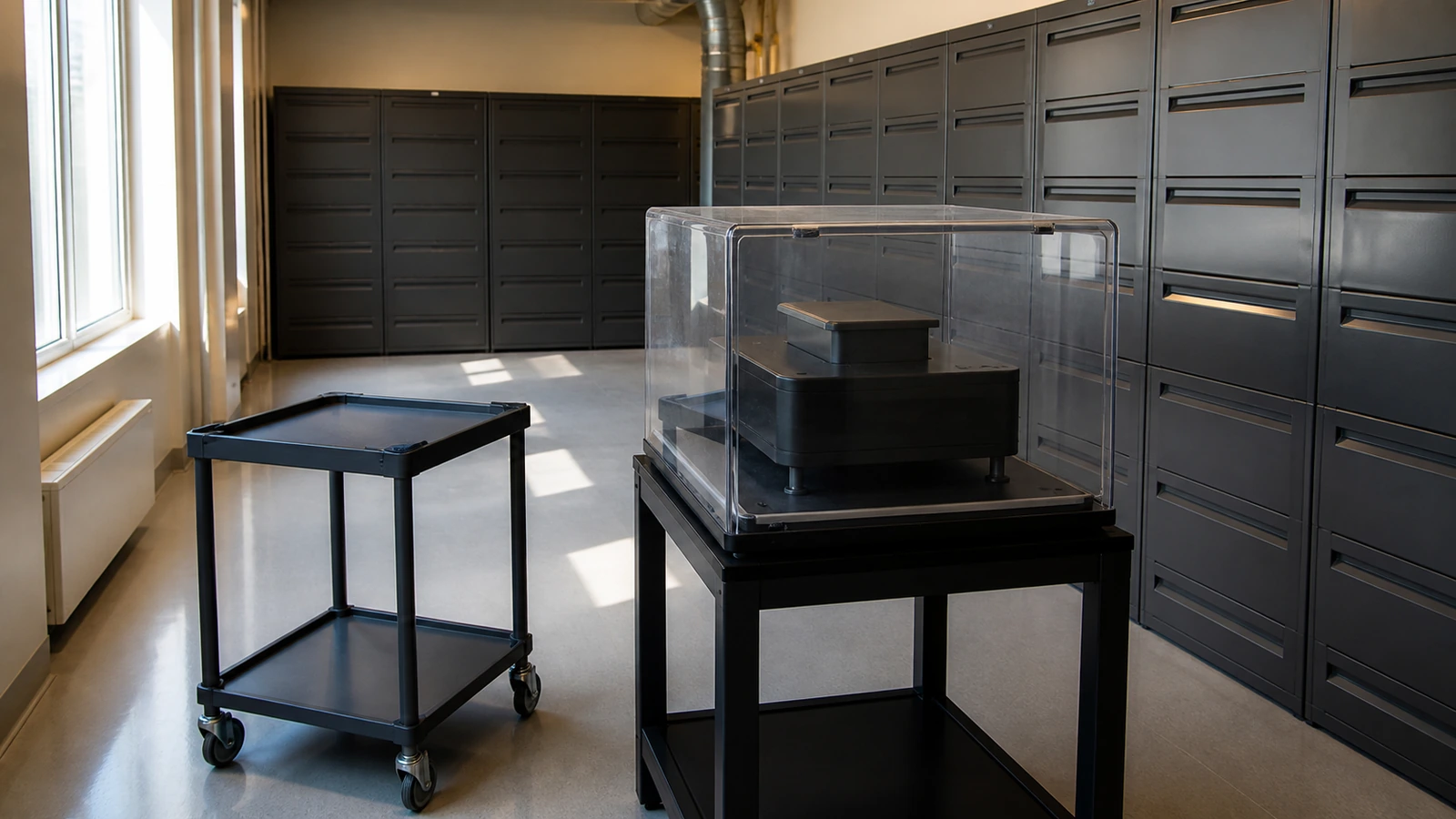
Verification should happen before the paper trail changes. Check that pages are complete, legible, correctly ordered, and stored where the access rule expects them to be. A second person can review a small sample or the items that carry higher sensitivity. This is also the moment to confirm that the intended file is available to the right role and not to a broad shared location. Discovering a capture problem after an original is moved can create an avoidable recovery task.
Close the workflow with retention rules
The final step is to apply the retention rule rather than leaving originals and copies in indefinite limbo. Some records may need secure storage, some may require a defined disposal method, and others may be held for a limited review period. The rule should be recorded in the workflow so it does not depend on memory. Storage hygiene works alongside reliable device backups, where keeping the right copies is more useful than keeping every copy forever.
Treat exceptions as part of the process
Not every paper item fits a standard capture path. Fragile pages, unusual formats, incomplete sets, or records with uncertain ownership should have an exception route rather than being pushed through the normal queue. A clear exception status lets the team pause without losing the item or inventing an informal workaround. It also makes the remaining risk visible to the person responsible for resolving it.
Temporary working material needs the same care as the finished files. Draft captures, correction copies, and quality-check folders can become an overlooked exposure point because they exist only for a short time. Set a rule for where they may live, who can open them, and when they are cleared after verification. The process is safer when temporary does not mean unmanaged.
A good workflow remains understandable months later. Its names, locations, and handoffs should make sense to a new colleague without relying on the memory of the person who designed it. That clarity supports audits, reduces duplicate captures, and makes it easier to retire the workflow when the record type or handling rule changes.
Training should use examples that are safe to discuss yet close enough to real work that the handling choices make sense. People are more likely to follow a procedure when they understand what problem each step prevents. Brief refreshers also help catch drift, especially when a temporary workaround has slowly become the normal path.
Access reviews should include shared locations and forgotten temporary accounts, not only the main archive. A record is no more protected than its least controlled copy. Regular review turns that principle into an ordinary operational habit rather than a reaction to a mistake.
The workflow then remains a controlled service, not a growing collection of unaccounted-for copies.
That discipline protects privacy, keeps the archive intelligible, and prevents a short project from creating a long-term handling problem.
Where legal, contractual, or archival duties govern a record, the handling rule should be confirmed by the responsible organization rather than inferred from a general workflow. A digitization method can support careful work, but it cannot by itself determine what must be kept, who may access it, or when it may be disposed of.