
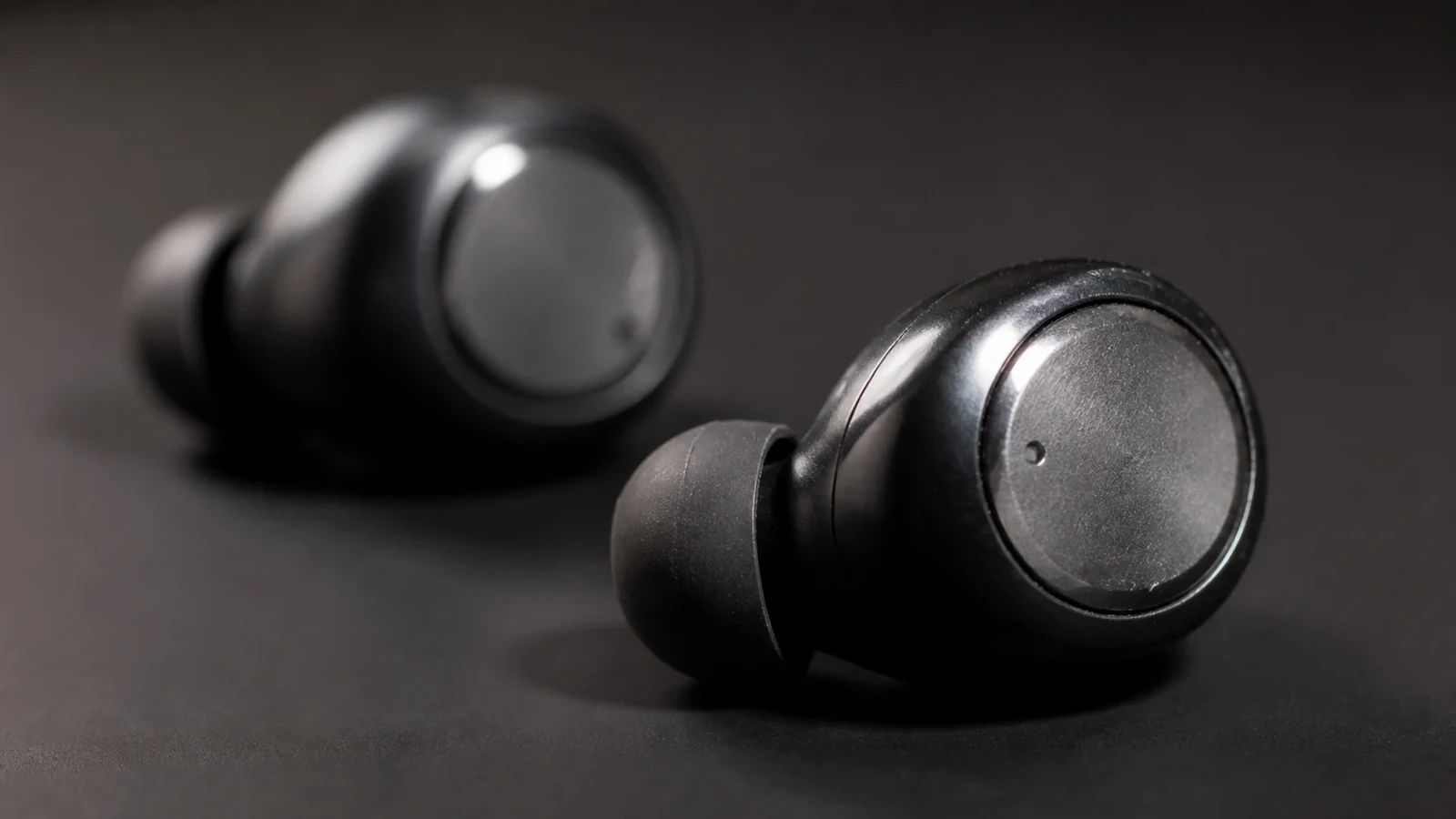
Start with the routine, not the feature list
Wireless audio is easy to compare on a feature sheet and harder to judge in a normal day. The useful question is not which option has the longest list of capabilities. It is whether the shape, weight, controls, and charging pattern disappear into a routine. A pair that sounds appealing for a short sample can become distracting during a commute, a long desk session, or a walk where glasses, hair, and outerwear all compete for the same space.
Fit changes after the first few minutes
Fit deserves time because pressure changes as the body moves and warms up. An over-ear design can feel balanced at first yet press around the jaw after an hour. A smaller in-ear shape may stay secure but create a sealed feeling that some people dislike. Try normal gestures: looking down, turning the head, putting on a coat, and leaning against a chair. Comfort is not a luxury criterion; it determines whether the equipment stays useful.
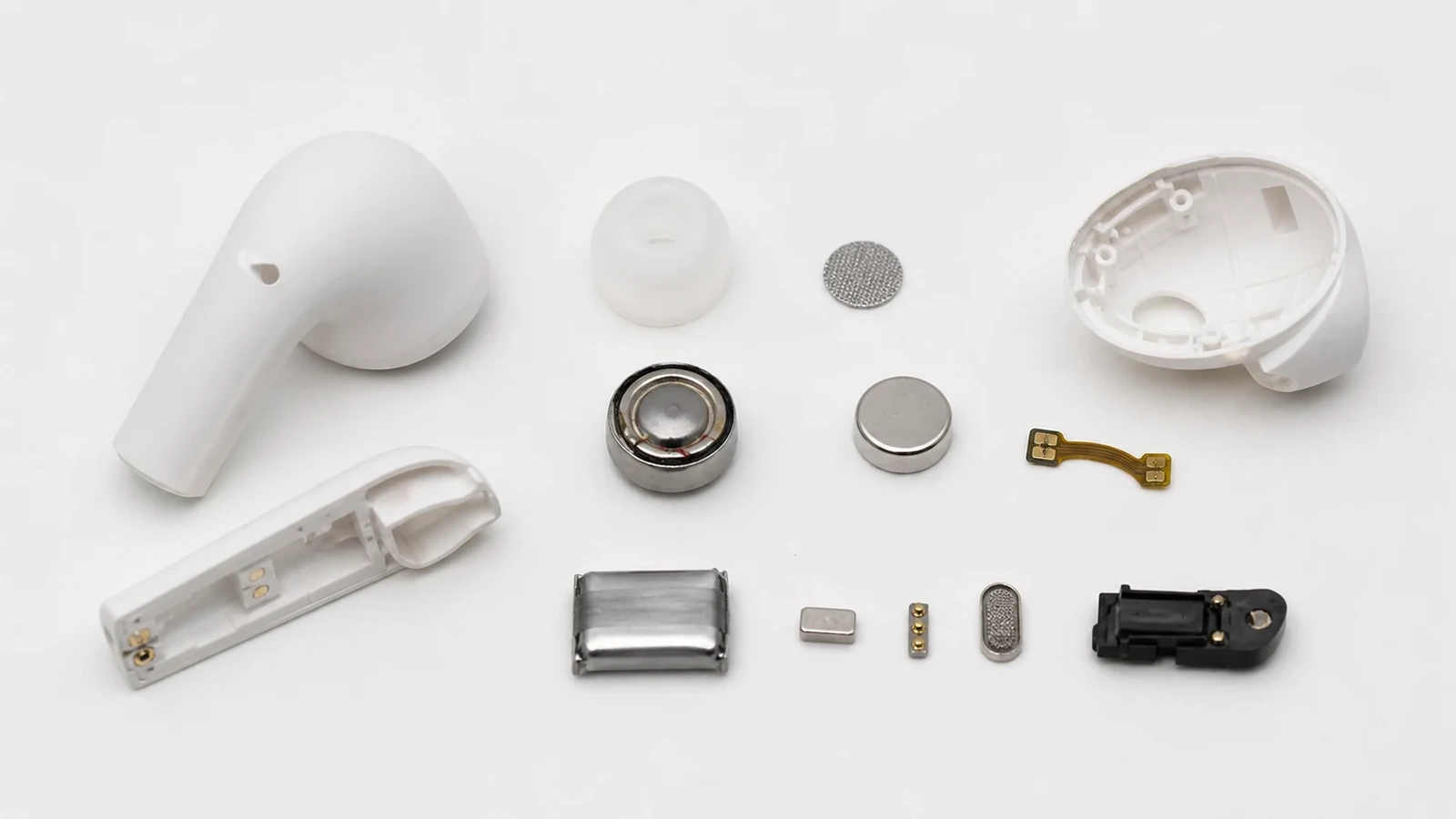
Controls should work without attention
Controls should be easy to identify by touch and hard to trigger by accident. Small surfaces may work well at a desk but become frustrating when gloves, damp hands, or a backpack strap are involved. Consider the few actions used every week: pause, adjust volume, take a call, or switch listening modes. A control system that requires concentration takes attention away from the activity that prompted the listening in the first place.
Noise handling is a context decision
Noise handling should match the place where listening happens. A quiet room, a train carriage, and a shared office create different needs. Strong isolation is not automatically more comfortable because it can make a person less aware of nearby activity or of their own voice. Think about how often the audio will be used near others and whether quick awareness matters. This preference for context over specifications also guides practical laptop evaluation.
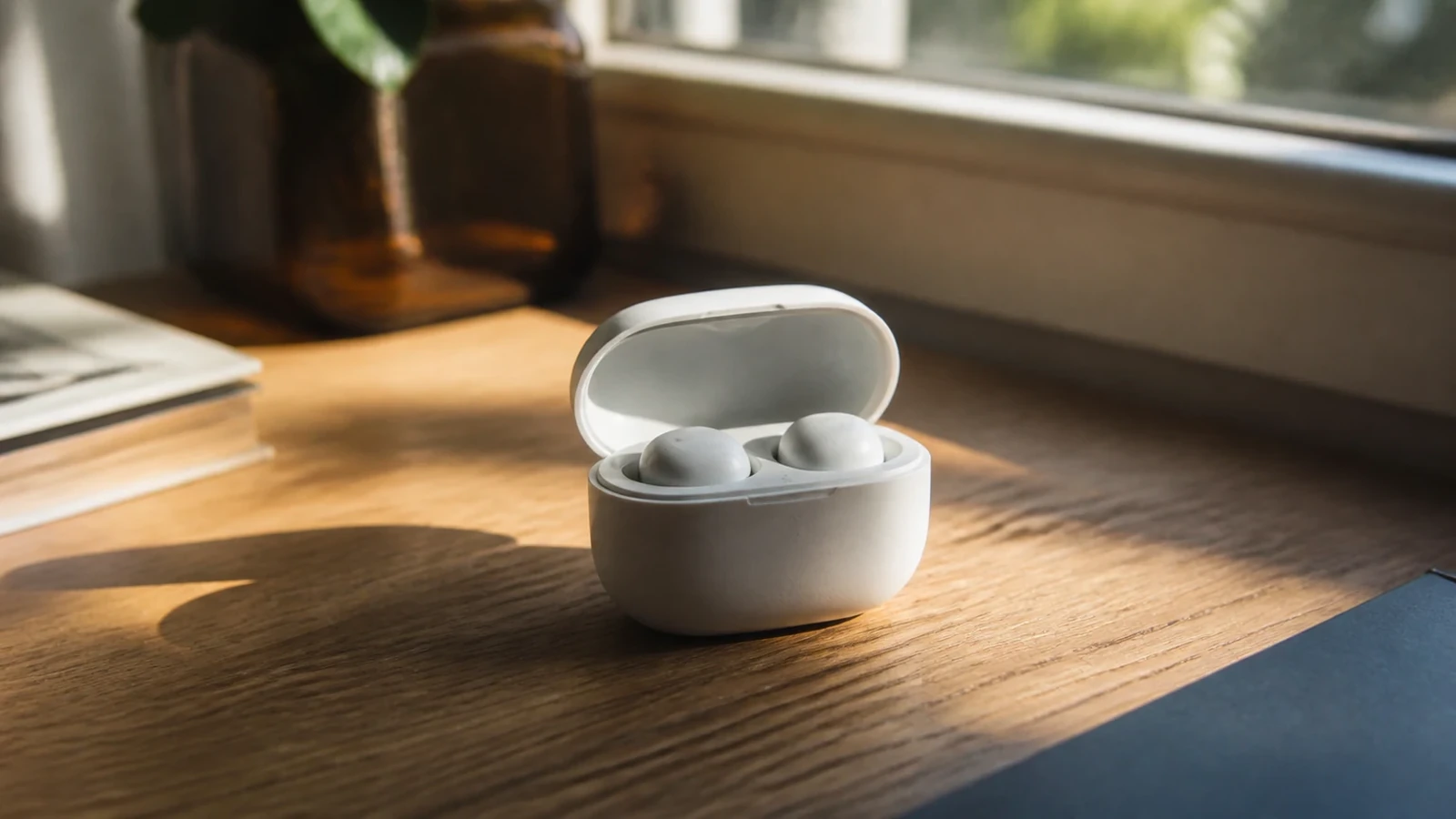
Charging belongs in the daily rhythm
Charging is part of the ownership experience even though it is rarely exciting. A case, cable, or stand should have an obvious home so the routine does not depend on remembering an extra task. Battery indicators are useful only when they are easy to notice before a trip. A slightly simpler design that reliably fits a household rhythm can be a better choice than one that adds a feature nobody will use after the first week.
A short home trial reveals more than a display shelf
A short trial at home can expose the details that a controlled display cannot. Wear the audio gear while preparing a meal, reading, walking around a block, and sitting still. Notice heat, movement, pressure, and how often you touch the controls. This does not require treating personal preference as a defect in the product. It recognizes that an everyday object succeeds when it asks for less negotiation from its owner, much like the routines described in focused digital assistance.
Make room for hearing the environment
Everyday listening often happens alongside other responsibilities. A household, a station, a workplace, or a walk may require awareness of nearby movement or a brief exchange with another person. Consider how easily the audio can be paused, removed, or adjusted when attention needs to shift. The best choice is not necessarily the most isolating one; it is the one that fits the degree of awareness the routine requires.
Material choices also affect comfort. Surfaces that feel pleasant in a cool room may become warm during a long session, and a smooth finish can be easier to clean than a textured one that traps lint. These are small observations, yet they determine whether the gear feels welcome after repeated use. A comfort-first evaluation gives them the same weight as advertised capabilities.
Keep expectations practical. Wireless audio may need occasional pairing, charging, and adjustment, especially when it moves between rooms or devices. A setup that can be understood without a ritual is easier to share and maintain. The aim is a dependable companion for ordinary listening, not a device that demands attention every time the environment changes.
Return policies and careful handling make a trial more informative when they are available. Keep the evaluation focused on ordinary comfort rather than hunting for a flawless abstract score. If the gear repeatedly interrupts a simple routine, that observation is more valuable than a long comparison chart. Personal fit is a legitimate reason to choose differently.
Keep the chosen setup easy to reset when it moves between environments. A familiar pairing and storage routine reduces the small frustrations that make useful gear stay in a drawer. Comfort includes the moments before listening begins and after it ends.
That practical test keeps the choice tied to the listener’s own environment rather than to someone else’s preference.
Seasonal changes can alter the answer as well. A design that fits comfortably in mild weather may interact differently with hats, scarves, or warmer rooms. Revisiting the choice after a few ordinary weeks gives better information than an initial impression and helps distinguish a temporary adjustment from a persistent discomfort.